
Interlocking Pavers vs. Poured Concrete for Commercial Properties
People searching for interlocking pavers installation are typically looking to enhance durability and appearance, and local contractors can help them choose and install the best option for their commercial property.
Choosing between interlocking pavers and poured concrete for commercial property projects is a decision many property owners face when planning outdoor spaces. Whether it's for parking lots, walkways, or plazas, understanding the benefits and considerations of each option can help ensure a durable and visually appealing result. Property owners in the area often explore this topic to find solutions that balance functionality, aesthetics, and long-term maintenance needs. Local contractors specializing in interlocking pavers installation can provide valuable insights and expertise to help make informed decisions tailored to specific property requirements.
As you delve into the differences between interlocking pavers vs. poured concrete for commercial properties, it’s important to consider factors like durability, maintenance, and design flexibility. Many local service providers are experienced in installing interlocking pavers, which can offer a versatile and attractive alternative to poured concrete. Keep reading to learn more about how these options compare and how local experts can assist in bringing your project vision to life with quality installation services designed to meet your property’s unique needs.
- Commercial parking lots - property owners considering interlocking pavers versus poured concrete for commercial parking areas can rely on local contractors to assess durability and aesthetic appeal.
- Sidewalk and walkway installations - businesses planning to enhance pedestrian pathways often turn to local service providers for expert installation of interlocking pavers or poured concrete options.
- Outdoor plaza and courtyard projects - developers seeking to create inviting public spaces may consult local pros to determine the best material choice for longevity and design.
- Loading dock areas - commercial facilities needing resilient surfaces for heavy traffic can find local contractors experienced in installing either interlocking pavers or poured concrete.
- Landscape and decorative paving - property managers exploring decorative paving solutions for commercial landscapes can connect with local experts to compare installation methods.
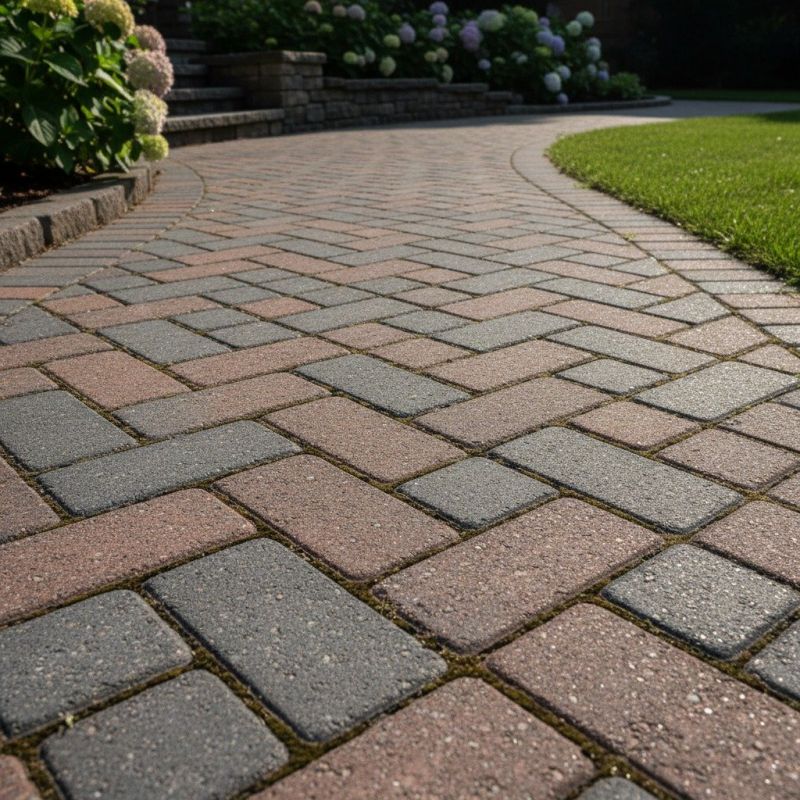
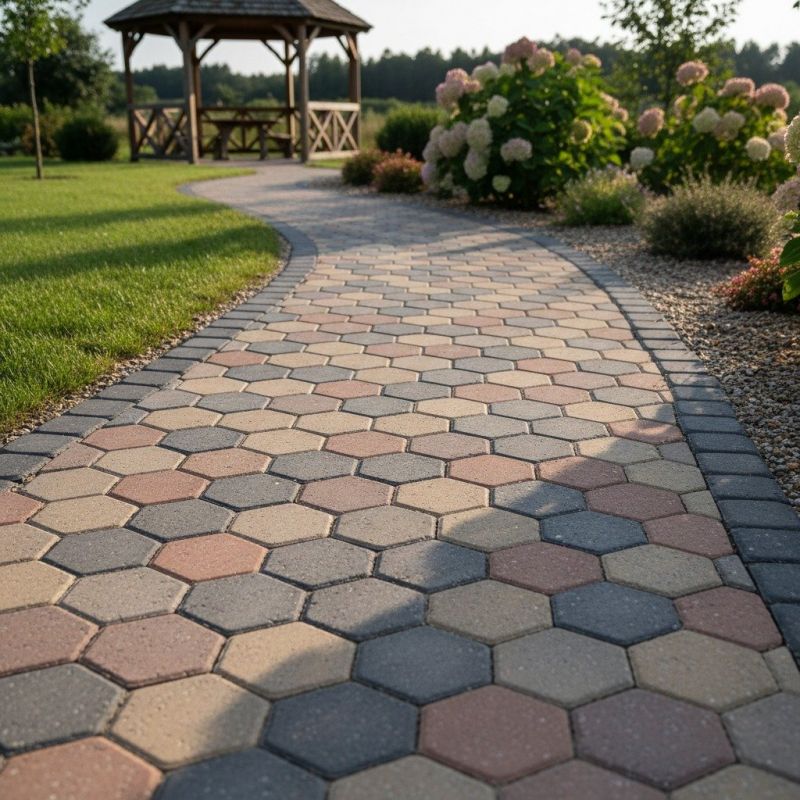
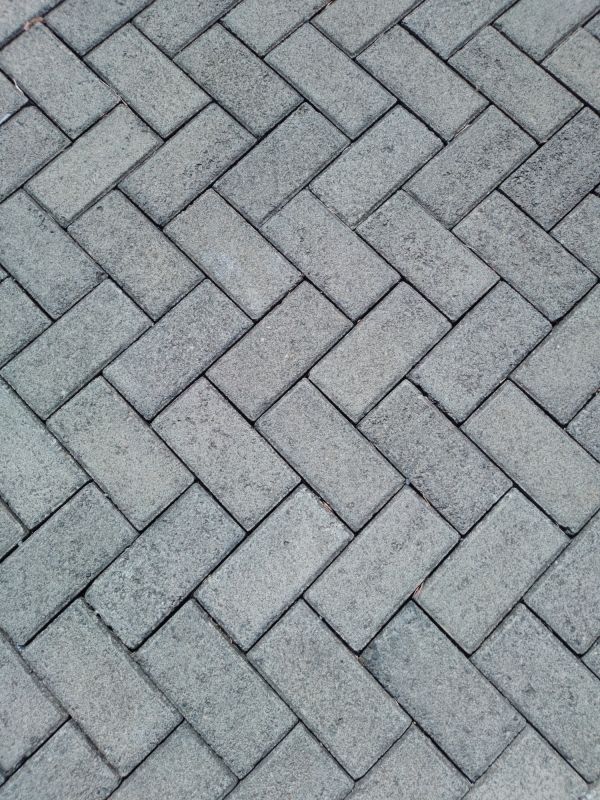
When exploring options for surface materials on commercial properties, many people search for comparisons between interlocking pavers and poured concrete. This inquiry often stems from plans to improve or replace existing parking lots, walkways, or outdoor gathering spaces. Property owners and managers want to understand the benefits and limitations of each material to make informed decisions that align with their property’s aesthetic, durability needs, and budget considerations. The decision-making process usually involves evaluating how each surface type handles foot and vehicle traffic, resistance to cracking, maintenance requirements, and overall appearance over time.
The topic of interlocking pavers versus poured concrete is closely related to projects aimed at enhancing the functionality and visual appeal of commercial properties. These projects may include creating durable parking areas for retail centers, office complexes, or industrial sites, as well as designing attractive walkways and outdoor plazas. Property owners often seek solutions that can withstand heavy use while maintaining a professional look. They also consider how each material responds to weather conditions, potential for repairs, and long-term performance. These concerns are especially relevant when planning for spaces that need to balance practicality with visual impact.
Commercial properties that frequently come up in this context include retail stores, office parks, warehouses, and hospitality venues. These spaces typically require surfaces that can handle high traffic volumes and vehicle loads without deteriorating quickly. Property managers may also look for options that allow for easier repairs or replacements in specific sections, minimizing disruption. Local service providers specializing in interlocking pavers installation can assist in evaluating the best material choice based on the property’s specific usage patterns, aesthetic goals, and maintenance expectations. Their expertise helps ensure the selected surface material aligns with the long-term needs of the property.
Understanding the differences between interlocking pavers and poured concrete is essential for property owners considering upgrades or new installations. While poured concrete offers a smooth, seamless surface that can be cost-effective initially, interlocking pavers provide flexibility, easier repairs, and a distinctive look that can enhance curb appeal. Local contractors experienced in installing both types of surfaces can provide guidance tailored to the unique requirements of commercial projects. They can help property owners weigh the advantages and disadvantages of each option, ensuring the chosen surface supports the property's functionality and visual goals over time.
Paving stone installation - professionals skilled in laying interlocking pavers often handle similar projects involving decorative paving surfaces for commercial walkways and plazas.
Concrete pouring services - local contractors experienced in poured concrete work frequently undertake large-scale flatwork for parking lots and industrial flooring that share planning and preparation skills.
Landscape hardscaping projects - designing and installing features like patios, walkways, and retaining walls use comparable tools and planning techniques as interlocking pavers installation.
Surface repair and restoration - specialists who repair cracked or damaged concrete surfaces can also work on restoring or replacing interlocking paver areas for commercial properties.
Drainage system installation - installing drainage solutions alongside paving projects requires similar site assessment skills used in both interlocking pavers and poured concrete work.
Site grading and preparation - preparing the ground for paving surfaces involves planning and earth-moving skills common to both interlocking pavers and poured concrete projects.
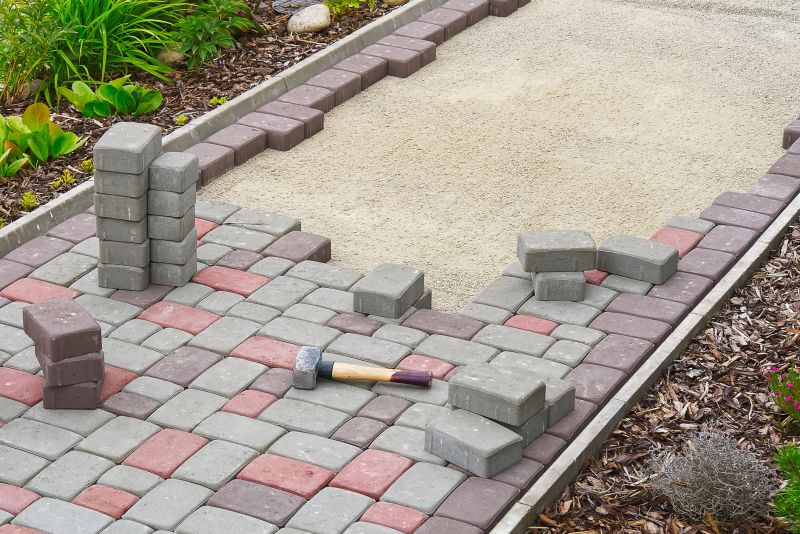
When evaluating service providers for installing interlocking pavers versus poured concrete on commercial properties, it is important to consider their experience with similar projects. Homeowners should seek out local contractors who have a proven track record in handling commercial-scale installations, as this demonstrates familiarity with the unique challenges and requirements of such work. Reviewing portfolios or project histories can provide insight into their expertise and help determine if they have successfully completed projects comparable in scope and design. This background can be a valuable indicator of their ability to deliver quality results tailored to the specific needs of interlocking pavers installation.
Clear, written expectations are essential when comparing local contractors for these types of projects. It is advisable to request detailed proposals that outline the scope of work, materials to be used, and the estimated process for both interlocking pavers and poured concrete installations. Having well-defined expectations helps ensure that all parties are aligned on project deliverables, timelines, and responsibilities. Transparent communication from the outset can prevent misunderstandings and provide a solid basis for evaluating each service provider’s professionalism and attention to detail.
Reputable references and effective communication are also key factors to consider. Potential contractors should be able to provide references from previous clients, especially those with similar commercial projects involving interlocking pavers or poured concrete. Speaking with past clients can offer valuable insights into the contractor’s reliability, quality of work, and ability to adhere to project specifications. Additionally, assessing how well a local contractor communicates-whether they respond promptly, clarify project details, and address questions-can be a good indicator of how smoothly the project will proceed. Choosing service providers with a strong reputation and clear lines of communication can help ensure a successful installation that meets the specific demands of commercial properties.
Property owners often search for interlocking pavers vs. poured concrete for commercial properties when they are planning practical projects around their homes and businesses. Local pros provide Interlocking Pavers Installation services for everyday jobs and straightforward project options.
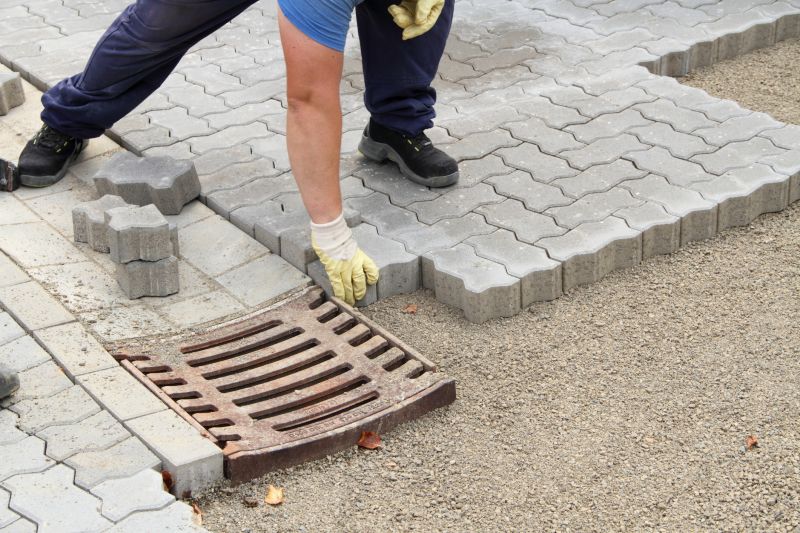
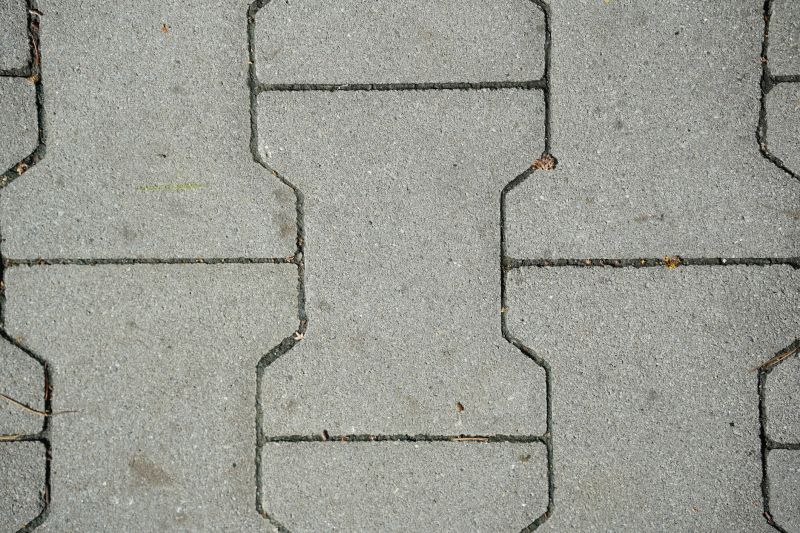
When considering surface options for commercial properties, property owners often weigh the benefits of interlocking pavers versus poured concrete. Interlocking pavers are known for their durability and ease of repair, making them a popular choice for high-traffic walkways, parking lots, and outdoor seating areas. They provide a textured surface that can enhance the aesthetic appeal of a commercial space while offering flexibility to accommodate ground shifts without cracking. Local contractors who specialize in interlocking pavers installation can help property owners evaluate how this option might improve both functionality and curb appeal for their specific project needs.
On the other hand, poured concrete offers a smooth, seamless surface that can be ideal for large-scale, flat areas such as loading zones or expansive parking lots. Its straightforward installation process and ability to be tinted or stamped for decorative effects can make it a practical choice for many commercial settings. Property owners interested in learning how poured concrete compares to interlocking pavers for their project can connect with local service providers who can provide guidance on installation techniques, longevity, and maintenance considerations tailored to their property’s requirements.
How does the durability of interlocking pavers compare to poured concrete for commercial properties? Interlocking pavers are generally more resistant to cracking and shifting over time, making them suitable for high-traffic areas, while poured concrete may develop cracks more easily under heavy use or temperature changes. Local contractors can assess which option best suits the specific needs of a commercial property.
What are the maintenance considerations for interlocking pavers versus poured concrete? Interlocking pavers typically require less maintenance and can be easily repaired by replacing individual units, whereas poured concrete may need sealing and can be more challenging to repair if damaged. Service providers can advise on ongoing upkeep for each surface type.
Can interlocking pavers be customized to match the aesthetic of a commercial property? Yes, interlocking pavers come in a variety of colors, shapes, and patterns, allowing for greater design flexibility compared to poured concrete, which is usually poured in a uniform slab. Local pros can help select and install pavers that enhance the property's appearance.
How do installation processes differ between interlocking pavers and poured concrete? Installing interlocking pavers involves preparing a base, laying the pavers in a pattern, and filling joints, which can be less disruptive and more adaptable; poured concrete requires form setting and curing time, often resulting in longer installation periods. Experienced contractors can determine the best approach based on the project scope.
Are interlocking pavers suitable for commercial properties with heavy vehicle traffic? Yes, interlocking pavers are designed to withstand heavy loads and can be reinforced for such use, whereas poured concrete may crack under excessive weight if not properly reinforced. Local service providers can recommend the most durable options for high-traffic areas.
Durability considerations - Property owners can evaluate the longevity of interlocking pavers versus poured concrete for commercial properties by consulting local contractors experienced in installation.
Design flexibility - Businesses planning for future layout changes might explore how interlocking pavers allow easier modifications compared to poured concrete surfaces.
Installation impact - Commercial property managers can discuss with local pros how installation methods for each material affect existing landscaping and infrastructure.
Maintenance needs - Building owners can consider ongoing upkeep requirements for interlocking pavers versus poured concrete when planning long-term property management.
If you are thinking about interlocking pavers vs. poured concrete for commercial properties for a property, this guide is meant to help you understand this topic, the typical project types, and how different options might fit your plans.
When you are ready, you can use the quote form on this page to share a few details about your project. From there, local pros can review the basics and follow up with options that match what you have in mind.